
The suitcases are unpacked. The photos from Hvar are still on your phone. And somewhere between the harbor in Stari Grad, a quiet stone street and a late dinner beside the Adriatic, a thought followed you home:
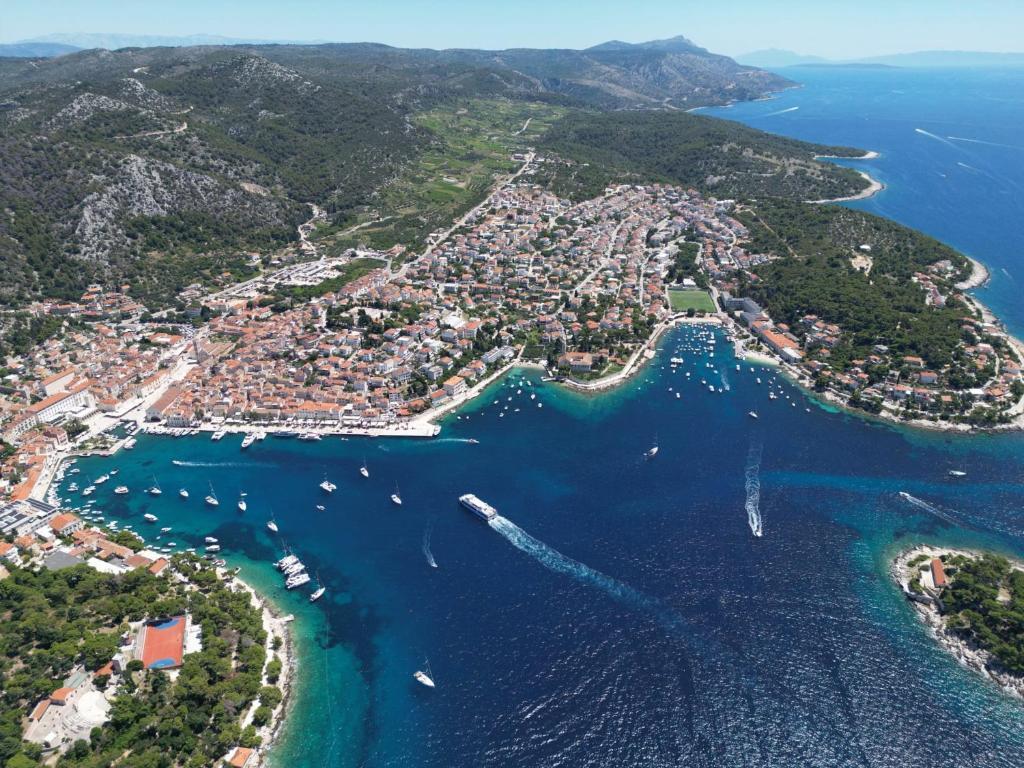
What if this were more than a vacation?
You are not alone. According to the Croatian National Tourist Board, visitors from the United States made more than 776,000 arrivals and 2.2 million overnight stays in Croatia in 2024. Hvar was among their most visited Croatian destinations. For some travelers, that first visit becomes the beginning of a property search.
Buying a home in Croatia can be realistic for an American. So can renovating a traditional stone house or building a modern villa. But the successful projects are rarely driven by emotion alone. They begin with careful legal, technical and financial checks — before a deposit is paid or a contractor is hired.
This guide explains what an American buyer should consider when turning a Croatian summer memory into a well-managed property project.
Can an American Buy Property in Croatia?
In many cases, yes — but the process is not identical for every U.S. citizen.
Croatia treats U.S. buyers as non-EU nationals. Under the current official rules, the ability to acquire property depends on reciprocity between Croatia and the buyer’s U.S. state. Croatia’s official reciprocity list includes many states without additional restrictions, while buyers from certain states may need to satisfy a permanent- or long-term-residence condition.
For a non-EU buyer, acquisition may also require consent through an administrative procedure. The Croatian government lists supporting documents such as the purchase agreement, the seller’s land-registry record, confirmation of the property’s planning status and proof of citizenship.
The practical lesson is simple: verify the rule for your state and the exact property before signing a binding agreement. A Croatian attorney or notary should advise on the legal transaction. A technical and project-management team should separately verify what you can build, renovate and realistically afford.
Official information is available from the Croatian government’s pages on real-estate purchases by foreign nationals and the current U.S.–Croatia reciprocity list.
Important: Buying property does not automatically grant Croatian residency. Immigration and tax questions should be reviewed with qualified Croatian advisers before purchase.
Hvar Town or Stari Grad? Choose the Life — and the Project
Hvar Island offers several very different versions of the Mediterranean dream.
Hvar Town: energy, prestige and strong seasonal demand
Hvar Town is the island’s best-known destination. It combines historic architecture, restaurants, nightlife, marinas and international visibility. Buyers may be drawn to a central apartment, a restored stone house or a villa overlooking the sea.
The same qualities that make Hvar Town attractive can make a project more demanding. Prime locations are competitive. Historic buildings may have strict design constraints. Narrow streets, limited vehicle access, parking and material deliveries can affect both the construction method and the budget.
Stari Grad: history, calm and renovation character
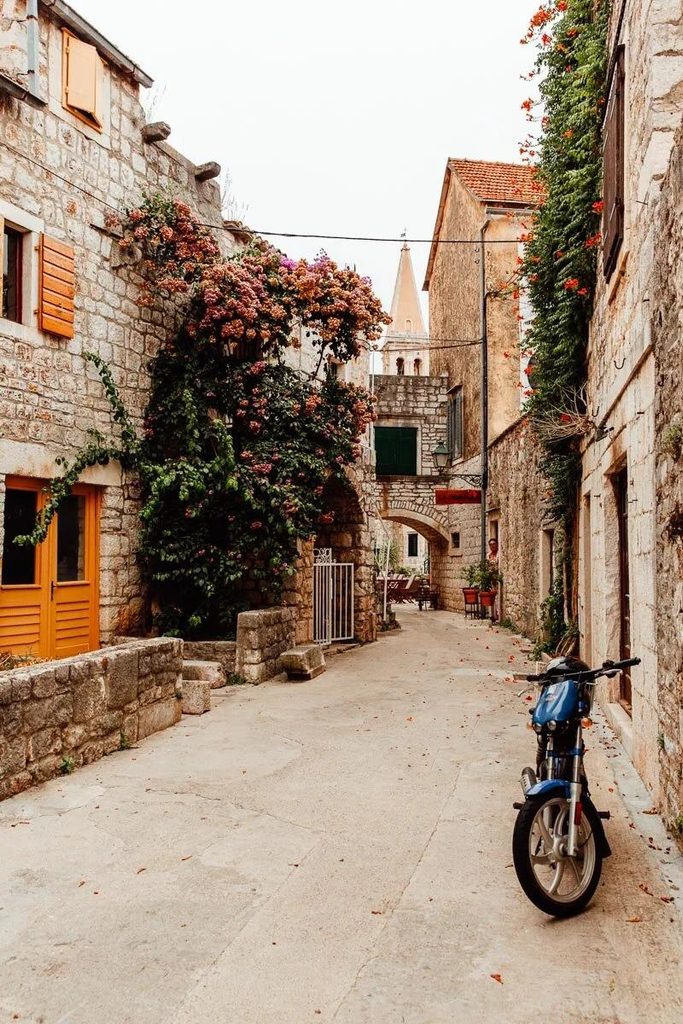
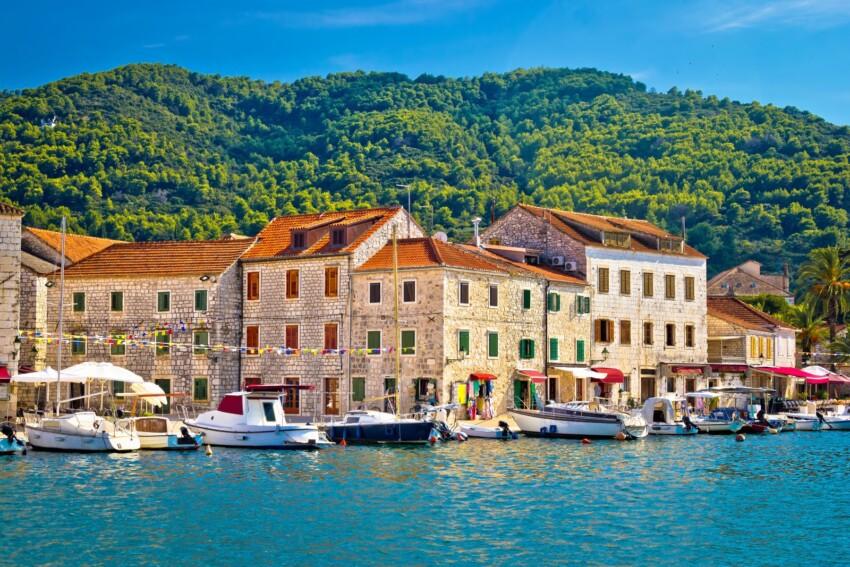
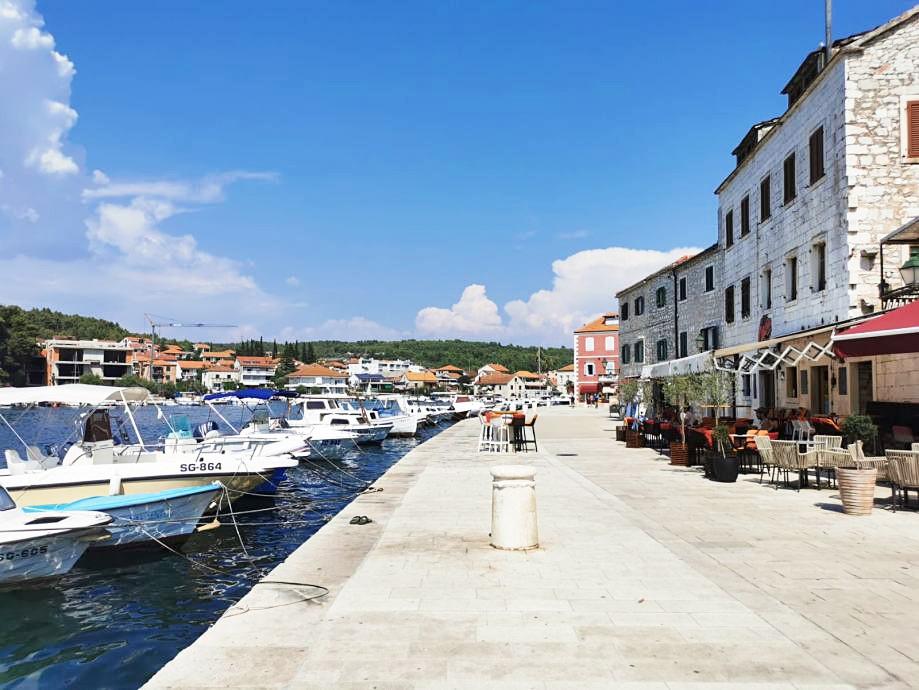
Stari Grad has a slower rhythm. Its waterfront, stone lanes and traditional buildings appeal to buyers who want a more residential atmosphere and a strong sense of place. The nearby Stari Grad Plain is a UNESCO World Heritage Site whose land-use pattern dates back to Greek colonization in the fourth century BC.
That heritage is part of the value — and part of the responsibility. A beautiful old house may also contain moisture, roof or timber damage, outdated utilities, irregular alterations or conservation requirements. In Croatia, work on a protected property, or on a building within certain cultural-historic areas, can require additional authorization.
The best location is therefore not simply the one with the best view. It is the one that fits your intended use, access needs, maintenance expectations, renovation tolerance and total budget.
Seven Checks to Complete Before You Buy
1. Compare the land registry, cadastre and reality
The registered owner, parcel boundaries, building footprint and actual conditions on site should tell the same story. Croatia provides online access to land-registry and cadastral information, but the documents still need professional interpretation.
Check for mortgages, easements, co-owners, unresolved inheritance, access rights and unregistered extensions. A sea view cannot compensate for uncertain ownership or a missing legal access route.
2. Confirm what may legally be built or renovated
Ask for the property’s planning designation, existing permits and evidence that the building is legally recorded. Confirm whether your planned extension, pool, additional floor, new openings or change of use is permitted.
Do not assume that a rendering in a sales listing represents an approved project.
3. Identify heritage restrictions early
Traditional stone houses are among Croatia’s most attractive properties, but protected façades, roofs, windows, shutters and masonry may limit design choices. Required conservation methods and specialist trades can also affect the schedule and cost.
4. Inspect the building technically
A pre-purchase survey should look beyond fresh paint and staging. Depending on the property, the review may include:
- structural cracks and movement;
- roof, timber and waterproofing condition;
- rising damp, salt exposure and drainage;
- electrical, plumbing and HVAC systems;
- insulation, ventilation and summer overheating;
- wastewater arrangements and utility capacity;
- terraces, retaining walls and external structures.
Hidden defects are usually cheaper to price before purchase than to discover after demolition begins.
5. Test access and island logistics
On Hvar, transport is part of the construction plan. Materials, equipment and specialist workers may need ferry coordination. Old-town access can restrict truck size, crane use, waste removal and working hours. Summer traffic and tourist-season restrictions may further reduce productivity.
A mainland construction price should not be copied directly into an island budget.
6. Build a complete project budget
The asking price is only one part of the investment. A serious preliminary budget may also include:
- surveys and legal due diligence;
- architect and engineering fees;
- permit and authority costs;
- demolition and waste removal;
- construction and specialist restoration;
- utility upgrades and connections;
- kitchens, bathrooms, lighting and fixed furniture;
- transport and island logistics;
- project management and quality control;
- contingency for hidden conditions.
The older and less documented the property, the more important the contingency becomes.
7. Define the property’s purpose
A private family retreat, full-time residence and short-term rental property are three different projects. They require different layouts, storage, maintenance solutions, technical systems and operating budgets.
Decide what the property must do before deciding what it should look like.
Renovating in Croatia While Living in the United States
The Atlantic is not the greatest risk in an overseas renovation. The real risk is fragmented responsibility.
If the architect, engineer, contractor, supplier and owner all work from different assumptions, delays and change orders follow. When the owner is several time zones away, small unresolved questions can become expensive site decisions.
An independent project manager acts as the owner’s representative and creates one line of control. KRO Consult’s construction project management services in Europe can support an overseas client through:
- early property and project feasibility review;
- coordination of local legal and technical specialists;
- design brief and permit coordination;
- preliminary and detailed budgeting;
- contractor tendering and quotation comparison;
- schedule, payment and change-order control;
- site inspections and quality documentation;
- regular English-language progress reports;
- snagging, completion and handover.
The goal is not to remove every surprise from an existing building. It is to identify risks earlier, make decisions with evidence and keep the owner in control of cost, quality and time.
A Sensible Route From Vacation Idea to Croatian Home
Step 1: Define the brief
Set the intended use, preferred area, target completion date, purchase budget and renovation or construction budget.
Step 2: Shortlist properties
Compare properties as projects, not only as listings. A lower purchase price can hide a more expensive renovation, difficult access or restrictive planning conditions.
Step 3: Complete legal and technical due diligence
Have the ownership, planning status, building legality, physical condition, access and utilities checked before you become fully committed.
Step 4: Prepare a concept, schedule and realistic budget
Before construction, align the design with local requirements and confirm the likely total investment. This is also the right moment to test alternatives and value-engineer the project.
Step 5: Procure and manage the work professionally
Use clear scopes, comparable contractor bids, written responsibilities, a monitored schedule and documented payment approvals. Remote ownership should never mean remote control of the project.
Start Before the Next Summer Rush
Late summer and autumn are good times to turn an idea into a plan. You can review properties more calmly, investigate documentation, develop the design and prepare contractor procurement before the next peak season.
There is no need to rush into the wrong house. But there is real value in starting the right checks early.
If Hvar, Stari Grad or another part of Croatia stayed with you after your trip, send KRO Consult the property listing, location and a short description of what you want to create. We can help you assess the project, establish a realistic budget, coordinate local specialists and manage the process in Europe while you remain informed in the United States.
Turn the vacation thought into a clear property plan.
Explore our project management services or email consult@kroconsult.com to arrange an introductory consultation.
Frequently Asked Questions
Can U.S. citizens buy property in Croatia?
Many U.S. citizens can buy property in Croatia, but eligibility depends on reciprocity between Croatia and the buyer’s state. Some states may be subject to additional residence conditions. Confirm the current official rule and the specific property with a Croatian legal adviser before signing.
Does buying a house in Croatia give an American residency?
Property ownership does not automatically grant residency. Immigration status is a separate legal process and should be reviewed with a qualified Croatian immigration adviser.
Can I renovate an old stone house in Stari Grad?
Potentially, yes. However, the property’s legal status, structural condition, planning rules and possible cultural-heritage restrictions must be checked first. Protected properties and buildings within cultural-historic areas may require additional approvals.
How can I manage a Croatian renovation from the United States?
Use an independent owner’s representative or project manager who coordinates designers and contractors, monitors budget and schedule, inspects work and provides regular English-language reporting.
Is Hvar Town or Stari Grad better for buying property?
Hvar Town may suit buyers seeking an internationally known destination and a more active atmosphere. Stari Grad may suit buyers who prefer historic character and a quieter, more residential setting. The better investment depends on the intended use, property condition, access, restrictions and total project budget.